Owner-operator driven by KSL Capital Partners starts with 46 hotels under management and a plan to be more active in the acquisition
marketplace.
DENVER, Colorado – KSL Resorts has rebranded to Peregrine
Hospitality and will continue to manage the 92-asset portfolio of hotels and
resorts, including Mission Hill Hospitality, while being more active in
its pursuit of global opportunities for growth across all asset classes within
the hospitality sector.
CEO Greg Kennealey exclusively told Hotel Investment Today
that Peregrine Hospitality is an owner-operator that has
sliver interest in some of the Mission Hill and other KSL Capital Partners-owned properties, but, in large
part, is an operating platform for 46 hotels (6,768 rooms), all of which are
owned by one of KSL’s various funds.
The other 46 assets under Peregrine are either through asset
management deals within the KSL universe or
sales and marketing arrangements with other KSL assets such as Outrigger Resorts
and Hotels, Under Canvas or Alterra Mountain Co. But Kennealey emphasized that 95% of Peregrine’s energy goes into maximizing
the operations of the 46 hotels.
So, why the name change?
“It was time for a change – a fresh start,” Kennealey said.
Peregrine technically is a rebrand of KSL Resorts. “But it’s also an expansion
of the business because we are now managing directly 21 of Mission Hills’ 33
hotels,” he added. “So, it’s an expansion beyond resorts into a broader hospitality
platform. The old name was no longer fully applicable, and it gives us a chance
to make a splash, get out different messaging, broaden the business a bit in
terms of our positioning, all which has appealed to us.”
More active dealmaker
Broadening the business likely means getting more active in
the deal market. Kennealey stopped short of using the term “aggressive” because
they will still grow with the same rigor applied to any potential opportunity.
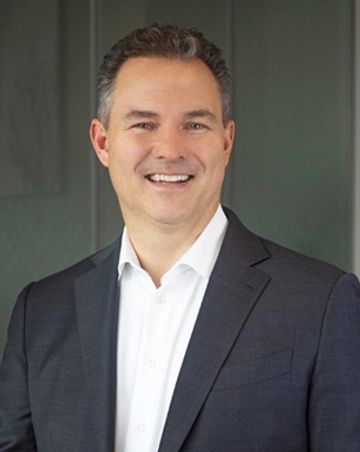
Peregrine Hospitality CEO Greg Kennealey
“We’re now in a position where we can look at not only
individual deals, but potentially larger transactions, meaning portfolios of
assets,” Kennealey said. “We also have the several hotels that we’re under no
particular pressure to divest, but where our investment strategy has largely
been executed, or will be executed at some point this year, at which point we
might consider divesting some of the properties and returning that capital to
investors.”
At some point, Kennealey said Peregrine might expand
geographically or into other related hospitality segments. Its strength is in
premium limited-service via the Mission Hill assets, independent boutique-style
resorts on the East and West coasts, as well as a few more complicated resort
assets. And, for now, he expects to stay in the same owner-operator space –
“just over time, potentially more broadly.”
“We could get into urban, whether it’s urban
franchise, urban independent, and we could lean a little heavier into luxury
right now,” Kennealey continued. “We only have one asset that technically
qualifies as luxury [Fairmont Grand Del Mar in San Diego], but we’re looking at a couple of others right now. We don’t
do a ton branded full-service, but that’s a segment we can get into
potentially. But the ones we have, we like a lot, we understand them well. And
I think at this point we have a well-developed playbook.”
What Peregrine was not created to be is a third-party
manager. “Our current plan, and frankly my strong personal preference, is to
not [third-party manage],” Kennealey said. “The magic of the owner-operator
model is best kept as a pure play. I’m sure that at some point there may be an
extenuating circumstance where we sell a particularly complicated resort to
someone who would prefer us to stay in as manager, and at that time we’d
certainly consider it. But what we’re not doing is pitching the marketplace on
Peregrine as a management company provider… It's all about what maximizes the
performance of the hotels. It’s not about what helps us with a client or other
you things that sometimes create friction points.”
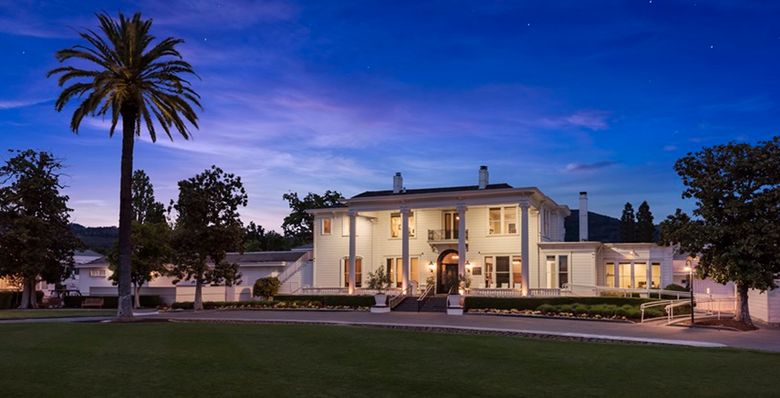
Silverado Resort and Spa, Napa Valley, California, is one of Peregrine’s more complex assets.
Building the team
Legally, Peregrine Hospitality came into legal existence in
April 2024, when Kennealey became CEO of KSL Resorts. After going through the
naming process, logo choices, etcetera, the group decided to wait till the New
Year to make more of a splash.
With about 4,000 employees, the team includes Tom Barber,
CFO; Ed Eynon, chief human resources officer; Catherine Hance, chief legal
officer; Pete Sams, chief operating officer; and Mike Wilbert, managing
director and head of acquisitions.

We’re now in a position where we can look at not only individual deals, but potentially larger transactions, meaning portfolios of assets.
Greg Kennealey
The name Peregrine, derived from the Latin adjective
"peregrinus," means traveler or coming from abroad. The Peregrine
Falcon, known for its wide-ranging travels and status as the world's fastest
bird, embodies these qualities. According to Kennealey, “Like the Peregrine
Falcon, Peregrine Hospitality operates with precision, accuracy, and agility.
The new name aptly reflects the firm's talented team.”
In fact, Peregrine spent 2024 integrating some of the people
from Mission Hill and all the people from KSL Resorts, as well as hiring an additional 30
people to build capabilities for capital projects, food and beverage,
operations, finance and accounting.
“We are really well suited, not only to optimize the
performance of the 45 hotels that have been entrusted into our care, but also
to now perhaps with a little bit more confidence go into the marketplace and try to acquire some additional properties,” Kennealey added.
He concluded
by saying Peregrine is leaning heavily into talent acquisition, career
development, training, and “lots of things that we think will ultimately make a
career path in Peregrine more attractive than a lot of the alternatives. If we
do it right, we’ll end up with the best GMs and the happiest housekeepers in
the industry.”