CEO Valeriano Antonioli discusses brand strategy, the expanding
Portrait brand and performance in Italy.
Note: This story first appeared in Travel Weekly
FLORENCE, Italy - The Ferragamo name may be most synonymous with high-end
fashion, but the Italian family has long had a foothold in luxury hospitality.
The clan has dedicated more than a quarter-century to
expanding its boutique hotel portfolio, the Lungarno Collection, which
comprises six city-center properties in Florence, Rome and Milan.
Ferragamo’s foray into hospitality began with the 1995
acquisition of the Hotel Lungarno in Florence. The Gallery Hotel Art and the
Hotel Continentale in Florence were added in 1999 and 2002, and the collection
launched its Portrait brand in 2012.
“This was one of the first times that a fashion family
became engaged in creating and managing hotels,” said Valeriano Antonioli, CEO
of the Lungarno Collection. “And even today, we’re one of the few fashion
families owning, creating, designing and also managing our hotels.”
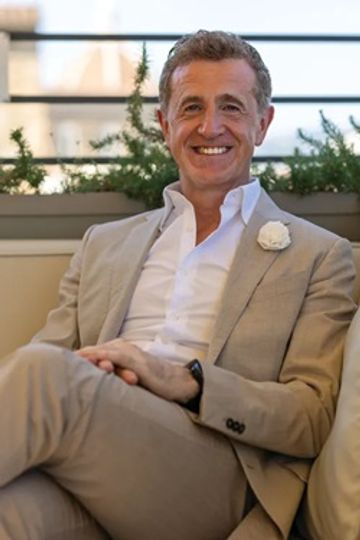
Lungarno Collection CEO Valeriano Antonioli
That none of the properties are flagged under the iconic and
highly recognizable Ferragamo name is intentional. According to Antonioli, the
separation between the two businesses and brands was a calculated move.
“While we realize that there are some connections between
fashion and hotels, there is a big obstacle to combining [the two], which is
the difference between the speed of hotels and the speed of fashion,” Antonioli
said. “In the fashion industry, you change your shoes every six months. In
hotels, you may need to keep the same curtains for years. A hotel requires
longevity, therefore rather than leveraging the Ferragamo name, we leverage the
family's core and cultural values.”
The driving force behind the Lungarno Collection’s latest
growth spurt has been its Portrait flag, which Antonioli describes as “a brand
for the most discerning travelers” that is located within the “most preferred
location in any given city.”
Lungarno has Portrait hotels in Florence and Rome, and its
most recent addition, the Portrait Milano, came in late 2022. Situated within
Milan’s fashion district, the 73-room Portrait Milano is housed within a
restored former seminary dating to the 16th century.
Lungarno Collection hotels may not put their affiliation
with the Ferragamo name front and center, but synergies between the two still
exist. Each of the group’s Portrait hotels are located in close proximity to a
Ferragamo retail store, with the Portrait Roma even sharing a building with a
Ferragamo boutique. (Portrait Roma guests can access the boutique via a special
“back door” entrance.)
Likewise, guests at all Lungarno Collection hotels in
Florence are granted complimentary admission to the Ferragamo Museum, which
offers a window into the fashion house’s origins and the life of its founder,
Salvatore Ferragamo.
“We give a lot of privileges and preferred treatment to our
guests,” said Antonioli, adding that the group is developing an exclusive
experience for guests at the Portrait Milano that will incorporate both a visit
to a Ferragamo boutique and a product component.
Antonioli is bullish about continued demand growth across
Italy, which has experienced a rapid tourism rebound – as well as a sharp
increase in hotel rates – over the past two years. (Starting rates for the
Portrait Milano, for example, hover at around $1,600 per night for much of
July.)
“In our case, we think that we’ve found the right balance
between product and rate,” said Antonioli, adding that he predicts hotel rates
across Italy will “remain constant to 2023” this year, thanks in part to the
continued strength of demand from the North American market.
“The post-COVID rush to travel, amongst other
factors, has contributed to price inflation in the travel industry,” Antonioli
said. “But my take is that COVID made many people understand that travel is a
great way to spend their money, enriching their life with beautiful
experiences.”