New development remains challenging, but creative financing
and unique perspectives provide opportunities.
Note: Over the next few weeks, Hotel Investment Today will
publish 2025 outlook stories about development, management, deals and finance.
NATIONAL REPORT – In 2025, hotel developers are likely to
face the same headwinds they have battled for the past few years – more
expensive debt, stable but still high construction costs and hard-to-find A
locations. That said, more excitement about potential opportunities is
returning with some developers filling their buckets with new projects.
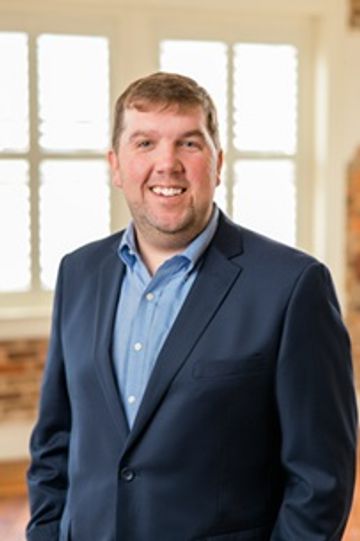
Grey Raines, Raines Companies
Grey Raines, managing partner of Raines Companies in
Florence, South Carolina, said, yes, the headwinds for development remain, but
development in his region, the Southeast, is relatively busy. “Our development
arm was quiet the first half of 2024, but then we started looking at a lot of
opportunities and now have filled that buck with a couple of projects under
construction with three or four more coming out of the ground next year,”
Raines said. “The headwinds are still the same ones we’ve been fighting. But I
feel like they’re just not quite as strong.”
While Raines develops up and down the hotel segment mix, a
player like Miami-based Gencom sticks primarily to luxury and Chief Investment
Officer Alessandro Colantonio said they must be much more selective because of
costs not only to build the property, but to add the requisite amenities that guests
demand. “Greenfield development is going to be a lot harder, and the headwinds
are the costs and what you need to build and scale around resorts to make them
competitive,” he said. “A trend that we’re looking at, especially in luxury, is
experiences and more personalization. In luxury, having unique offerings is not
just as simple as developing a golf course, tennis courts and having a bunch of
restaurants. People want much more curated experiences. So, that might mean
horseback riding through a coffee plantation, which we have in our Auberge in
Costa Rica… In Papagayo, we’ve spent so much capital on building out our
Explorers Club and programs. That’s where it makes it very expensive to
develop.”
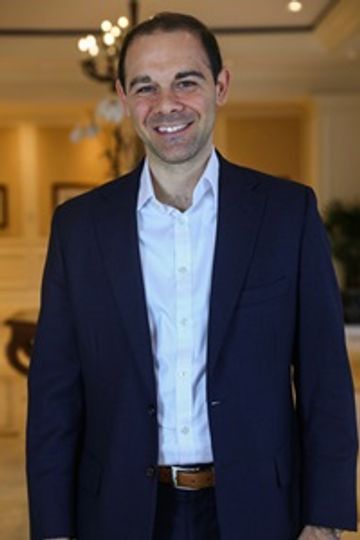
Alessandro Colantonio, Gencom
Not only are the amenities expensive to develop, but
Colantonio would not go as far as to call them direct profit centers. “But it
certainly plays into the profit, right? Where you really can make the profit is
having these more unique experiences, especially on the luxury end,” he added.
“If you make it more curated and personal, the guest is going to pay for it.
So, actually you can create a profit center out of it. It also adds to length
of stay. So, indirectly, that’s a profit center. That one additional day is
going to make a big impact on your P&L. So, as we look at new development,
yes, it’s hard to go ground up because you have to build out a lot more
amenities than maybe you would have five, 10 years ago.”
A different perspective on development came from Dustin
Fisher, senior vice president at Noble Investment Group, Atlanta, who sees a
potential bright spot that could result from increased tariffs being proposed
by President-elect Donald Trump. The result, he said, could be more domestic
manufacturing, which would lead to more demand for economy and midscale
products, especially extended-stay.
“Right, wrong or indifferent on tariffs, investment in
domestic manufacturing and infrastructure is good for that segment,” Fisher
said. “We’re building into that, and I don’t see the focus and emphasis on that
changing over the next four years. That should be an unforeseen tailwind to
what we already have in the pipeline and under construction. Those are already
the markets we’re focusing on anyways – the markets that would be net
beneficiaries of that.”
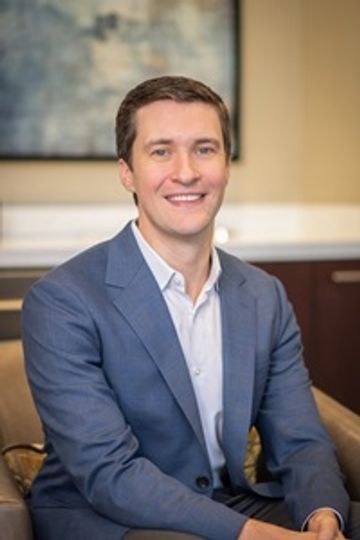
Dustin Fisher, Noble Investment Group
On the leisure side, Fisher said Noble is in a wait-and-see
development mode after seeing softening in 2024. “It’s a big question mark for
us right now, which I think is leading to a lack of feasibility on the
development in a lot of those markets,” he said.
To get any of these new development deals done requires the
right financing – often hard to get. With the Federal Reserve’s more hawkish
stance of late, lenders are less likely to compress their spreads.
As a result, Mark Keiser, president of development for the
Viceroy Hotels and Resorts brand at Highgate in New York City, said every deal right now is
relying on some level of traditional senior mortgage construction financing, as
well as some sort of C-Pace or even EB5 structures. “There’s the creativity around trying to get
deals capitalized that is much higher and more complex. But developers are
figuring it out, and construction is actually starting again,” he said.
“They’ll borrow 60%, 55% construction financing, and then layer in C-PACE and
EB-5 to get the rest of the way.”

Mark Keiser, Viceroy Hotels and Resorts
Keiser said one alternative development approach seemingly
getting more traction is the condo-hotel concept. “In a conversation with a
lawyer in our space, she said she’s seeing a lot more condo-hotel product being
developed and being talked about by her clients,” he said. “We were working on
something in Mexico that you can call a condo-hotel, or you can call it branded
residences with a rental program. In markets where there’s strong year-round
occupancy, where the off-season is fairly small, we’re open to it.”
Keiser added that Highgate looks at how the developer-owned
piece will reasonably generate on a NOI per year basis. “If we think that’s a
sustainable number, whereby the developer would reinvest into the amenities
that support the condos, then we’re open to the structure.”