Walter Isenberg talks about four projects adjacent to
ballparks that drive revenue and upside on management incentive fees.
DENVER – Sage Hospitality Co-Founder and CEO Walter Isenberg
was lamenting how profits were down in 2024 with revenue up only 2%, while
costs kept escalating. This year got off to a great start, he said, but by late
March the bottom fell out of group and meetings business with everyone on
holiday for spring break. All of this before last week’s market route that
could hurt corporate business even more.
What’s the solution to manage through? Diversify has long
been a way to avoid troughs. For Sage, part of that diversity has been a move
into what it calls “Sportspitality,” a strategic play to turn stadium-adjacent
spaces into year-round revenue generators. Sage is teaming up with sports team
owners to capitalize on the fan experience economy by expanding their influence
beyond the stadium walls. The modern sports experience isn’t just about the
game; it’s about the ecosystem that surrounds it – hotels, restaurants, retail,
office and residential, as well as curated entertainment brought into the
development by the property owners, which can range from concerts to temporary
ice rinks.
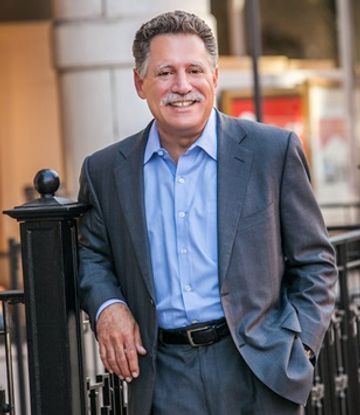
Sage Hospitality CEO Water Isenberg
With the global sports tourism market projected to grow
by $701.6 billion from 2025-2029 (Technavio), and 84% of
global sports leaders identifying evolving fan consumption habits as a top
trend shaping the next five years (Deloitte UK’s The Future of Sport
2024), the convergence of hospitality and sports is driving significant
economic impact.
Sage is building mixed-use playgrounds of retail, dining,
accommodations and entertainment with one hotel open adjacent to Coors Field in
its hometown of Denver and another three properties under development,
according to Isenberg.
At Denver’s McGregor Square, at the edge of the CBD, Sage
has The Rally Hotel next to Coors Field, home of the Colorado Rockies baseball
team owned by Dick Monfort. The hotel, which Isenberg said has just a nuanced
nod to the baseball theme, anchors a year-round destination with dining,
retail, and programming that keeps fans and locals engaged year-round.
RevPAR premiums are not unusual for game days, especially
when a team like the New York Yankees are in town with a less price-sensitive
fan base who travel well. “Even in the off season and non-game days, we’re
getting a RevPAR premium because we have a unique offering and destination,”
Isenberg said.
Sage is developing another property in Denver set to open in
2028 adjacent to the National Western Center that hosts rodeos and related
events that turn it into a high-traffic sports tourism destination.
In Indianapolis, the Shinola Hotel Indianapolis is set to
open in 2027. In collaboration with the Simon Family, the owners of
the Indiana Pacers and Fever ownership, this hotel will be directly
connected to Gainbridge Fieldhouse.
Another project is under development in Anaheim, California,
partnering with the owners of the Anaheim Ducks professional hockey team.

It creates this sense of community where people then say, ‘there’s always something going on at McGregor Square.’ That’s the mindset that you want the local community to have.
Walter Isenberg
Sage is not an equity player in any of these projects where
the owners are generally very well capitalized. The upside for the hotelier is
increased revenue, which drives upside for incentives built into management fee
structures.
The activations surrounding the sporting venues require more
resource investment from Sage and Isenberg said that while the hotel’s actual
percentage margin might go down a little bit, it is generating more dollars. “A
wise man once told me, you don’t take percentages to the bank,” he quipped.
Isenberg added that most of the ancillary income at the
mixed-use McGregor Square development is F&B related, which drives down
margin a bit because isn’t as profitable as rooms revenue. “But when you look
at the overall economics, they’re significantly improved. You also have more diverse
and predictable income streams. The office building is almost 100% leased
because it is a desirable place to be.”
Trial and error
While the activations just outside the hotel are primarily
the responsibility of the hotel team with the GM very involved with the supporting
programming, Sage has a lot of built-in support with a separate F&B
business and its Sage Studio for branding, placemaking and ideation.
Sage has had four years of learning from the McGregor
development and Isenberg said getting the programming right is really
everything, and that is a bit of a trial and error.
Isenberg said programming must be consistent and publishing
a calendar of events for the square helps. The ice rink didn’t generate much ancillary
revenue the first year, he said, but by the third and now the fourth year,
people knew they could go to the site for a skate.
Even the incremental F&B revenue generated by the ice
rink is not game-changing, but it matters for the site and its further appeal.
“It creates this sense of community where people then say, ‘there’s always
something going on at McGregor Square,’” Isenberg said. “That’s the mindset that
you want the local community to have.”
While growth opportunities are more finite based on sports
team expansion, Isenberg said the play is a little different for the hotelier
because typical owners of these developments operate with a long-term hold and
perspective in mind versus private equity looking to flip the asset in five
years.
“You have to have great partners with everybody aligned with
common goals,” he added. “There are a lot of moving parts and the various
stakeholders (residential, office, leased retail and F&B) meet regularly. You
have really need everyone on the same page.”