Marriott International’s Future of Food 2026 reveals how experiences
rooted in local culinary traditions are redefining indulgence.
ASIA PACIFIC – Marriott International has published a study
focused on major trends reshaping Asia Pacific dining habits and preferences,
which suggests there is a shift away from traditional fine dining toward casual
luxury, comfort-driven menus focused on local flavors and immersive experiences.
Drawing on insights from more than 30 influential chefs,
mixologists, industry insiders and regional food media, along with findings
from Marriott’s inaugural regional survey of F&B teams in 270 properties
across 20 Asia Pacific markets, Future of Food 2026 said diners are increasingly
prioritizing relaxed, personalized encounters where storytelling, entertainment
and design are just as important as the food itself.
Here are highlights from the Marriott report:
Comfort is the new luxury. “Fine casual” dining is emerging
where comfort food meets creative refinement. From elevated takes on beloved
classics, such as caviar-topped fried chicken, to à la carte menus offering
more choice and personality, chefs from Singapore to Tokyo are embracing a more
relaxed yet luxurious approach. As diners crave familiarity with a twist,
high-profile chefs are reimagining everyday favorites with fine-dining finesse,
creativity, and visual appeal. Traditional multi-course menus are giving way to
faster, more flexible experiences. Fully, 59% of Marriott properties surveyed
across Asia Pacific said guests are opting for casual dining experiences over
formal ones compared to last year.
Dining becomes a sensory journey. Nearly half (48%) of
Marriott International F&B associates report an increase in guests seeking
interactive dining experiences compared to the previous year. From omakase
journeys to themed environments, restaurants are embracing interactivity and theatricality
to create immersive, multisensory experiences.
Fully, 59% of Marriott APAC guests are opting for casual dining over formal compared to last year.
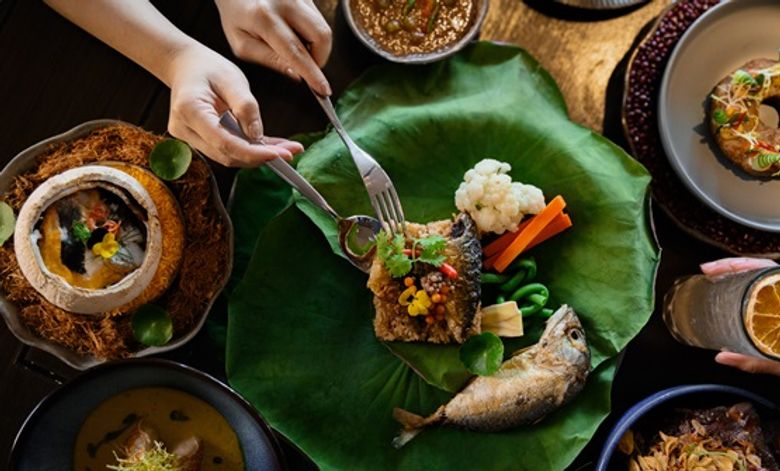
Plating up native ingredients. There’s a growing emphasis on
sourcing local, foraged and often forgotten ingredients to tell richer, more
authentic food stories. Among the Marriott International properties surveyed in
Asia Pacific, 85% now incorporate locally sourced ingredients or dishes into
their offerings, signaling a growing appetite for seasonal food.
AI takes a byte. Advancements in technology will drive
AI-powered menu engineering, leveraging real-time feedback and to optimize dish
combinations and pricing. Of the Marriott International properties surveyed
across Asia Pacific, 76% are adopting booking management technologies, while
75% report that social media influences guest decisions around restaurant and
bar bookings. A key challenge remains in maintaining the human connection that
defines true hospitality.
Asia’s culinary hotspots. Indonesia, the Philippines,
Vietnam, and Mainland China are gaining international recognition for their
vibrant and diverse food cultures. The report explores how these destinations
are stepping onto the global culinary stage with renewed confidence and creativity.
Additional report highlights
The flavor spectrum. Survey results reveal a preference for
both classic cocktails and modern, regionally inspired mixes. The data also
indicates a clear trend toward healthier eating. Across the Asia Pacific,
Marriott International’s F&B associates are noticing guests increasingly
seeking vegan (63%), vegetarian (64%), and gluten-free (54%). In addition,
classic condiments like ketchup, mayonnaise, hot sauce, and soy sauce remain
popular across most markets.

Fully, 48% of Marriott F&B associates report an increase in guests seeking interactive dining experiences.
Raising the bar. Bars throughout Asia are catering to a
generation that values wellness, personalization, and immersive environments.
From low- or no-alcohol menus to omakase-style cocktails, venues are moving
beyond traditional drink service and attracting kindred spirits. Cocktail bars
are also shaking up the scene, spilling the tea and spicing up flavors with
native ingredients or a dash of Dashi.
The future larder. Bold new ingredients and
long-forgotten favorites are driving a new era in Asian cuisine. From fermented
condiments to artisanal salts and heritage vinegars, chefs are diving into
traditional ingredients to create bold, sustainable flavors with deep cultural
significance.
Sustainability pioneers. Locals are driving sustainable
food movements in Asia by empowering local farmers and promoting biodiversity
through social enterprises. Their grassroots campaign is inspiring a cultural
shift in the hospitality industry and influencing the future of the region’s
wider food ecosystem.